Introduction
Contemporary art geographies are no longer structured exclusively around historically established cultural centres. The intensification of transnational networks, artistic mobility and local cultural infrastructures is strengthening the role of several African cities within international cultural circulation.
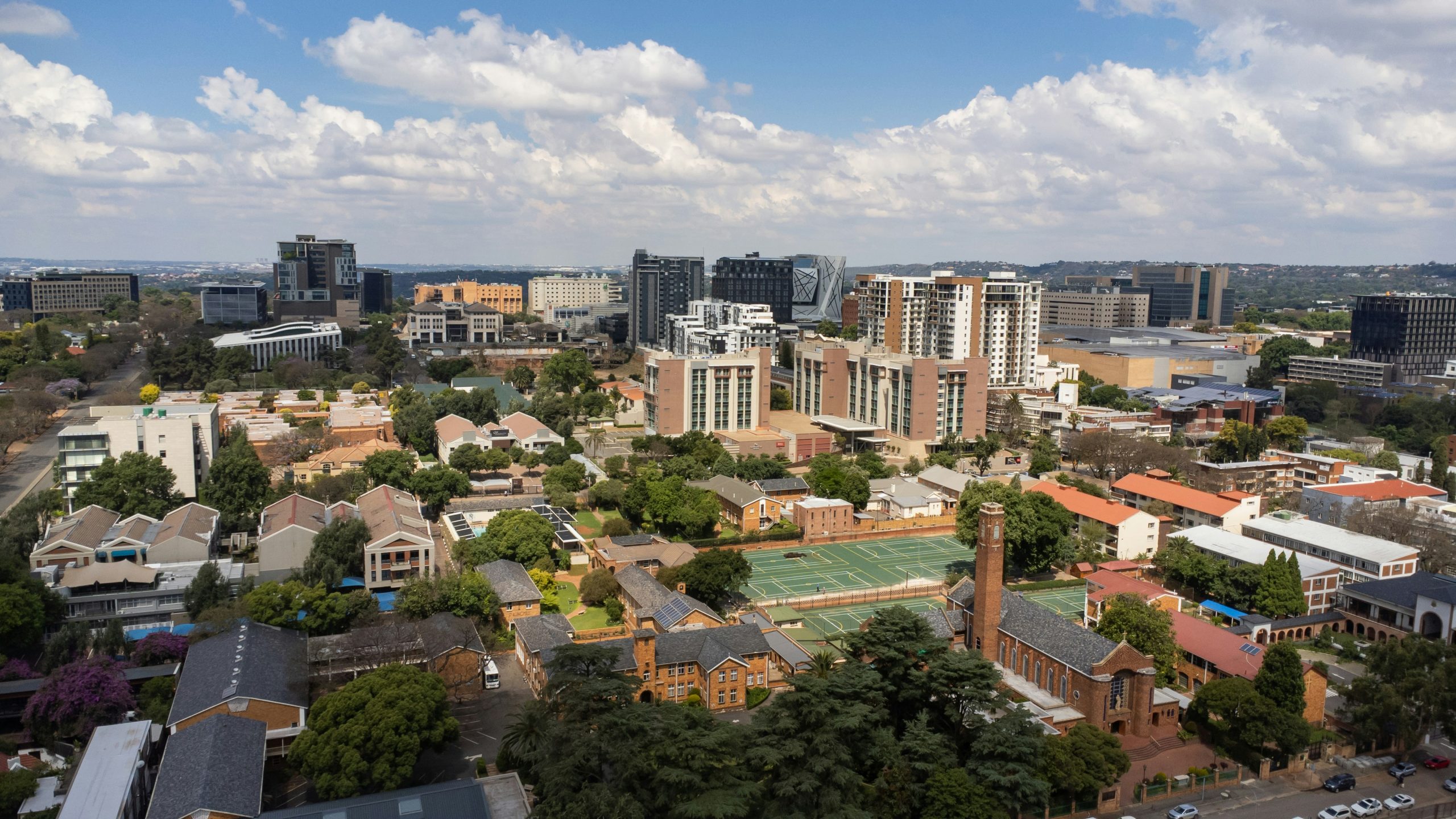
Lagos, Dakar, Accra, Nairobi and Johannesburg increasingly operate as active sites of artistic production, mediation and connection. This development reflects more than a geographical diversification of global cultural scenes. It also points to a transformation of contemporary cultural structures in which cities play a growing role in organising artistic exchange.
Understanding this shift requires examining how urban ecosystems contribute to the emergence of new cultural centralities, new networks of circulation and new forms of artistic visibility.
The city as contemporary cultural infrastructure
Cities now play a structuring role in the organisation of cultural practices. They bring together artistic institutions, independent spaces, creative industries, curatorial networks and professional communities capable of forming complex ecosystems of production and mediation.
In several African metropolitan areas, the gradual expansion of these infrastructures is contributing to changes in established patterns of artistic production and circulation. Lagos, Dakar, Accra, Nairobi and Johannesburg can no longer be understood solely as spaces of cultural reception. They generate their own dynamics of visibility, connection and dissemination.
Galleries, art centres, festivals, residencies, studios, digital platforms and hybrid spaces all contribute to the development of these urban cultural environments.
This growing density does not erase existing hierarchies within the art world. It does, however, contribute to shifting some established frameworks of artistic legitimation and to diversifying the places from which artistic trajectories are now developed.
Increasingly connected cultural scenes
One of the most significant developments of recent years has been the growing integration of African artistic scenes into transnational networks of production, dissemination and collaboration.
Artists, curators, collectives and cultural organisations increasingly move across multiple urban and institutional environments, developing trajectories that are no longer exclusively dependent on historically dominant cultural centres.
This mobility encourages more relational forms of cultural circulation. Exchanges remain shaped by historical and economic asymmetries, but they are no longer structured solely through conventional North–South frameworks. Multipolar configurations increasingly connect African cultural scenes with one another, as well as with European, American, Asian and diasporic spaces.
Cities therefore become nodes of connection capable of linking local embeddedness with international circulation.
The contemporary geography of artistic production consequently appears less as a system of fixed centres than as a network of relationships, mobilities and collaborations undergoing continuous reconfiguration.
The emergence of new urban cultural ecosystems
The development of these scenes does not rely solely on public institutions or long-established infrastructures of cultural cooperation.
In many African cities, independent spaces play an important role in shaping artistic ecosystems. Curatorial initiatives, hybrid venues, editorial platforms, professional networks and digital spaces contribute to diversifying forms of production and mediation.
These more flexible configurations enable less centralised models, often built through local, diasporic and international collaborations.
They also contribute to a diversification of artistic visibility. Some cultural scenes are developing their own narratives, publishing spaces and frameworks of representation without relying exclusively on historically dominant institutional mechanisms.
Urban ecosystems thus become spaces in which production, mediation, networking and international circulation can develop simultaneously.
Rethinking contemporary art geographies
The growing significance of several African cultural cities is contributing to a reconfiguration of international art geographies.
Contemporary cultural centrality is no longer defined solely through the historical accumulation of symbolic or institutional capital. It is also produced through local capacities for cultural production, networks of circulation and urban infrastructures capable of sustaining transnational artistic dynamics.
This shift encourages a more relational cultural mapping in which several cities participate simultaneously in shaping international artistic scenes.
This does not mean that existing hierarchies have disappeared. Unequal access to funding, markets, institutions and international networks remains highly significant.
The existence of multiple sites of production and mediation does, however, make cultural geographies more complex, more distributed and less reducible to a simple opposition between centre and periphery.
Between urbanity, culture and circulation
The transformation of African cultural cities extends beyond the artistic sector. It is embedded in broader urban dynamics involving mobility, creative industries, digital practices, economic transformation and changing uses of public space.
Cultural practices contribute to the formation of new expressions of urban identity and international visibility. They may also help reposition certain metropolitan areas within global networks of cultural production.
Cities are therefore no longer merely geographical settings for artistic creation.
They become active spaces of production, mediation and connection, bringing together artists, institutions, independent actors, markets, publics and transnational networks.
It is this ability to connect several levels of activity that gives them a growing role within contemporary cultural circulation.
Conclusion
African cultural cities are contributing to a transformation of contemporary art geographies.
Through their cultural infrastructures, creative networks and transnational connections, they support the emergence of more relational and distributed configurations without erasing the historical hierarchies of the art world.
This development invites us to understand cities not simply as territories of cultural reception, but as spaces capable of producing their own dynamics of creation, visibility, mediation and circulation.
Contemporary art geographies are therefore increasingly linked to the capacity of urban spaces to connect local embeddedness, cultural mobility and international connectivity.